
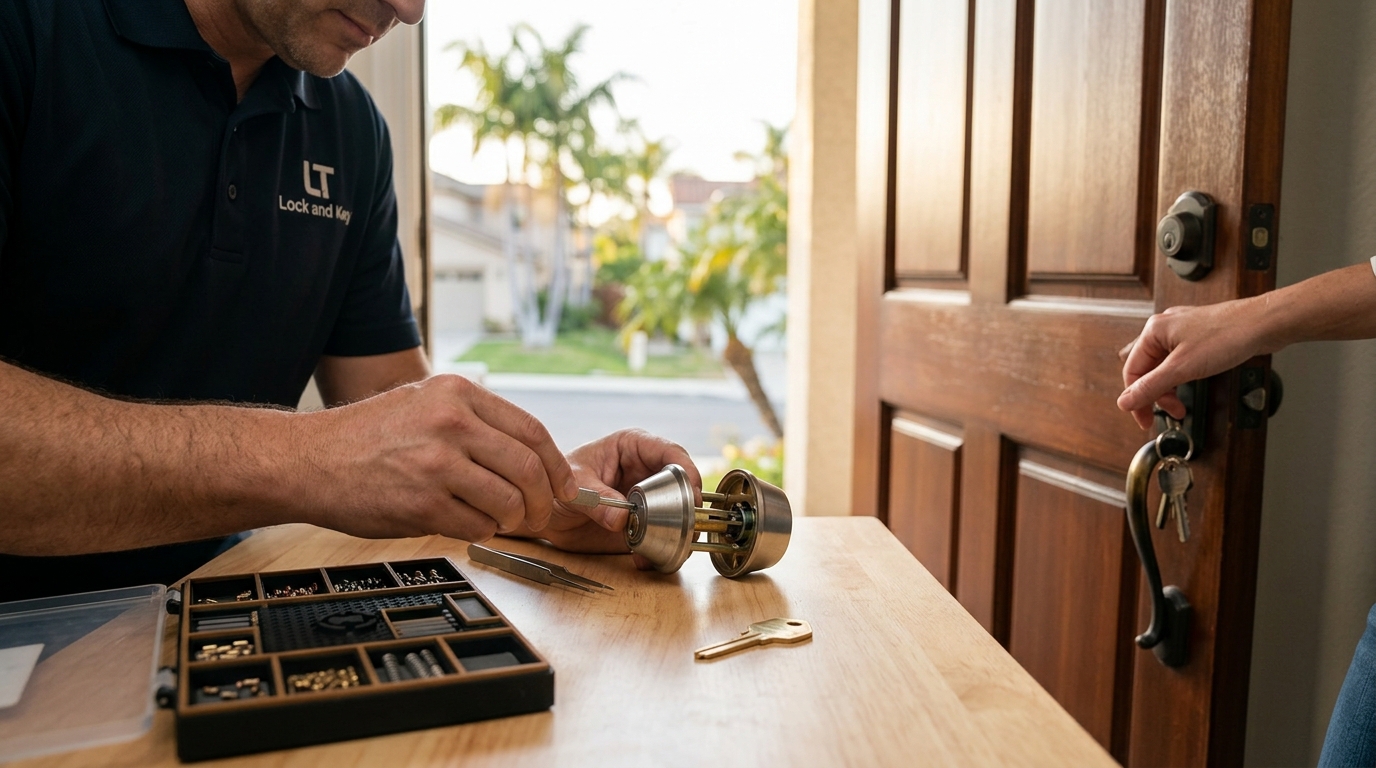
Common Mistakes When Rekeying Front Door Deadbolts and How to Avoid Them
Home security is not just about installing new hardware; it is about ensuring that hardware functions flawlessly under pressure. According to the Federal Bureau of Investigation, approximately 34% of residential burglaries involve a forced entry through the front door, making the integrity of your deadbolt system a critical component of property safety. When you decide to rekey your locks rather than replace them entirely, you are engaging in a precise mechanical process that demands accuracy. One small error during the rekeying process can compromise the entire security architecture of your home. This guide details the most frequent pitfalls homeowners encounter and provides the technical knowledge needed to execute the task correctly or recognize when professional intervention is required.
Understanding the Deadbolt Mechanism
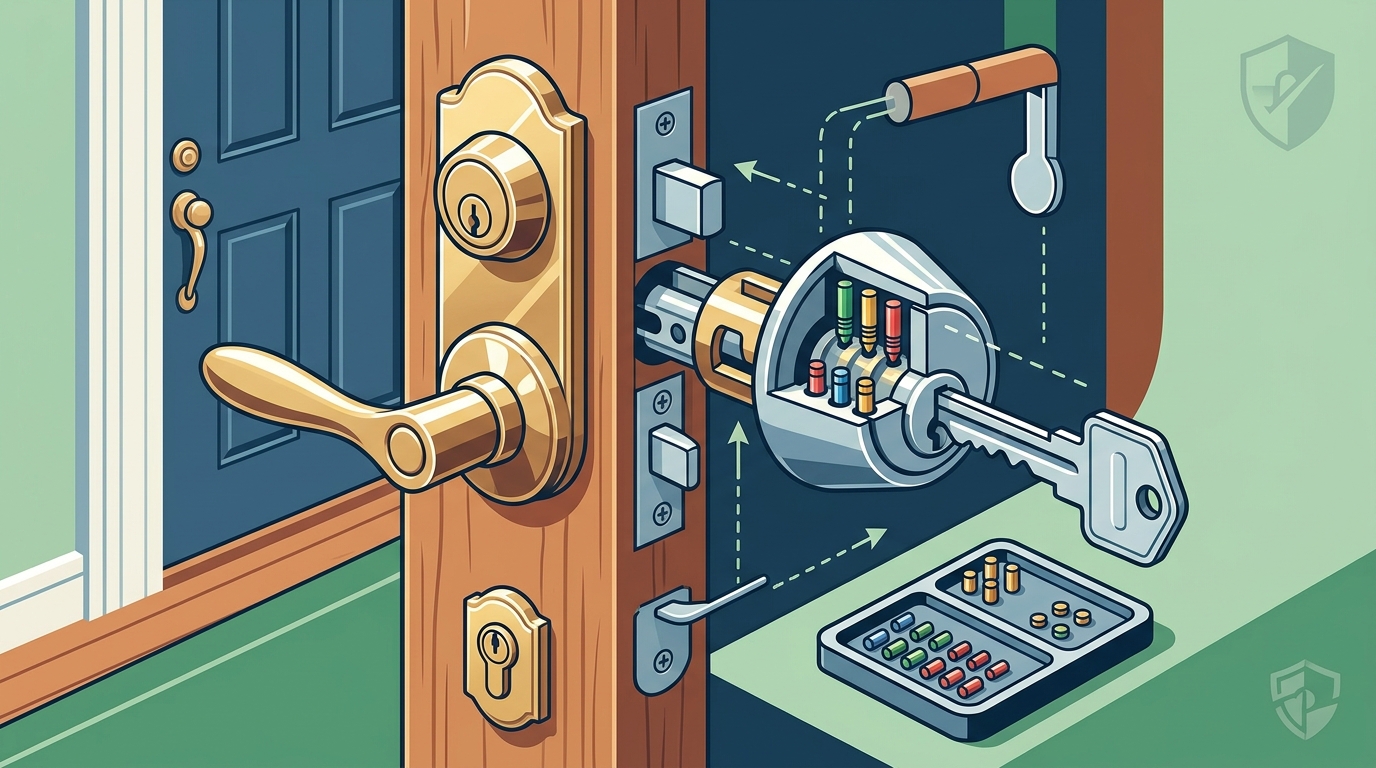
Before addressing common errors, it is essential to define the core components involved in the rekeying process. A deadbolt cylinder is a precision instrument that relies on the alignment of tiny metal pins to allow the plug to rotate. Rekeying is the process of changing the internal pin configuration of a lock cylinder so that it operates with a new key while retaining the existing hardware. This method is cost-effective and allows homeowners to maintain a single key for multiple doors. However, the margin for error is virtually non-existent. If the pins do not align perfectly at the shear line, the lock will either jam or remain unlocked, defeating the purpose of the security upgrade.
Many homeowners assume that rekeying is a simple swap of keys. In reality, it requires a specialized kit, a steady hand, and a thorough understanding of how the plug interacts with the housing. The Associated Locksmiths of America provides extensive training on these mechanical principles, emphasizing that professional-grade tools are necessary to achieve the tight tolerances required for modern deadbolts. Attempting this task with generic household tools often leads to stripped pins or damaged cylinders.
Mistake 1: Ignoring Keyway Compatibility
The most fundamental error in rekeying is selecting the wrong keyway or pin kit for the specific lock brand. Deadbolts are not universal. A Schlage cylinder requires a completely different pin kit and key blank than a Kwikset or Yale cylinder. Keyway compatibility refers to the specific internal shape and pin spacing that allows a particular key to operate a lock. Using the wrong kit will result in pins that do not fit into the chambers, rendering the rekeying attempt impossible.
Homeowners often purchase universal rekeying kits online, assuming they will work on all standard deadbolts. This is a dangerous assumption. High-security locks, such as Medeco or Mul-T-Lock, require proprietary tools and keys that are not available in standard retail kits. If you attempt to rekey a high-security deadbolt with a standard kit, you will likely damage the cylinder beyond repair. Always identify the lock brand and model before purchasing any rekeying supplies. If you are unsure, contact a professional locksmith in Encinitas to verify the hardware specifications.
Mistake 2: Incorrect Pin Selection and Order
Once you have the correct kit, the next critical step is selecting the right pin lengths. Each pin chamber in the cylinder has a specific depth requirement to align the shear line correctly. The shear line is the boundary between the plug and the housing where the pins must align to allow rotation. If a pin is too long, it will block the plug from turning. If it is too short, the lock will remain unlocked because the plug can rotate without the key.
Many DIYers guess the pin sizes based on the old key, which is an unreliable method. The old key may have been worn down, or the previous locksmith may have used non-standard pins. The correct approach is to use a pinning chart or a pinning tool that measures the exact depth of each chamber. Some advanced kits include a depth gauge that helps you determine the correct pin size for each slot. Without this precision, you will end up with a lock that is either too tight to turn or too loose to secure your home.
Another common error is mixing up the order of the pins. The pins must be installed in the exact sequence they were removed. If you disassemble the cylinder, lay out the components in a tray, and label each position, you can avoid this mistake. Losing track of even one pin can render the entire cylinder useless. For those who find this level of detail daunting, professional lock rekeying services ensure that every pin is placed with exactitude.
Mistake 3: Neglecting Spring Tension
Small springs sit beneath each pin in the cylinder, pushing the pins upward to keep the lock in the locked position. These springs are delicate and often overlooked during the rekeying process. Spring tension is the force exerted by the springs that keeps the pins aligned against the plug. If a spring is missing, damaged, or installed incorrectly, the pins will not stay in place, and the lock will fail to operate.
Homeowners frequently lose these tiny springs during disassembly. They may fall into the carpet or get lost in the work area. If you cannot find a spring, do not attempt to proceed. The lock will not function correctly without it. Some rekeying kits include extra springs, but it is crucial to inspect each one for damage before installation. A bent or weak spring will cause the lock to feel loose or unresponsive. If you are uncomfortable handling these small components, it is safer to rely on expert residential locksmith services that have the necessary inventory and expertise.
Mistake 4: Overlooking Cylinder Wear
Over time, the internal components of a deadbolt cylinder wear down. The pins may become rounded, and the plug may develop play. Many homeowners attempt to rekey an old lock without inspecting its condition first. Cylinder wear refers to the degradation of internal parts that reduces the lock's ability to maintain precise alignment. If the cylinder is worn, rekeying it will not fix the underlying mechanical issues. The lock may still feel stiff, or the key may not turn smoothly.
In some cases, the cylinder may be so worn that it cannot hold the new pins securely. This results in a lock that is easy to pick or bypass. If you notice significant resistance when turning the key or if the key feels loose in the lock, the cylinder may need to be replaced entirely rather than rekeyed. Rekeying is only effective if the hardware is in good condition. A professional assessment can determine whether rekeying is a viable option or if a full replacement is necessary for adequate security.
Mistake 5: Skipping the Functional Test
After rekeying, many homeowners immediately reassemble the lock and move on without testing it thoroughly. This is a critical error. Functional testing is the process of verifying that the lock operates smoothly and securely with the new key before final installation. You must test the key in the cylinder multiple times to ensure it turns easily in both directions. You should also test the lock with the door open and closed to ensure the bolt extends and retracts properly.
If the key sticks or requires excessive force to turn, the pins are likely incorrect, or the cylinder is damaged. Do not ignore these signs. Forcing the key can break the plug or strip the pins, causing permanent damage. If the lock does not function correctly, disassemble it again and recheck the pin configuration. If you are unable to resolve the issue, it is time to seek professional help. Contact LT Lock and Key for a thorough inspection and repair of your deadbolt system.
Key Takeaways
- Compatibility is Key: Always verify the lock brand and model before purchasing a rekeying kit to ensure keyway compatibility.
- Precision Matters: Use a pinning chart or depth gauge to select the correct pin lengths for each chamber.
- Order and Sequence: Keep pins and springs in the exact order they were removed to avoid assembly errors.
- Inspect for Wear: Check the cylinder for signs of wear before rekeying, as worn cylinders may need replacement.
- Test Thoroughly: Always test the lock with the new key before final installation to ensure smooth operation.
- Professional Support: If you encounter difficulties, professional locksmith services can provide quick and reliable solutions.
- Security First: A properly rekeyed deadbolt is only as secure as the installation process; do not rush the steps.
Frequently Asked Questions
Can I rekey a deadbolt myself?
Yes, you can rekey a deadbolt yourself if you have the correct kit and follow the instructions carefully. However, it requires precision and attention to detail. If you are unsure about the process, it is safer to hire a professional.
How long does it take to rekey a deadbolt?
For a professional, rekeying a deadbolt takes about 10 to 15 minutes. For a DIYer, it may take longer due to the learning curve and the need for careful handling of small components.
What is the difference between rekeying and replacing a lock?
Rekeying changes the internal pins to work with a new key, while replacing involves installing an entirely new lock mechanism. Rekeying is generally more cost-effective if the hardware is in good condition.
Can I use a universal rekeying kit on any lock?
No, universal kits may not work on all locks, especially high-security brands. Always check the compatibility of the kit with your specific lock model before purchasing.
What should I do if the key does not turn after rekeying?
If the key does not turn, check the pin configuration and spring tension. Ensure that the pins are aligned correctly at the shear line. If the issue persists, the cylinder may be damaged and require professional repair.
How often should I rekey my deadbolts?
You should rekey your deadbolts after moving into a new home, after a lost key, or if you suspect unauthorized copies have been made. Regular rekeying helps maintain the security of your property.
Is it safe to rekey a lock without a professional?
It can be safe if you follow the instructions and use the correct tools. However, errors can compromise security. If you are not confident in your abilities, it is best to hire a professional locksmith.
Contact LT Lock and Key
Rekeying your front door deadbolt is a valuable security measure, but it requires precision and expertise. If you have encountered any of the common mistakes outlined in this guide, or if you simply prefer to ensure your home is secure by professionals, LT Lock and Key is here to help. With over 25 years of experience in San Diego County, we provide prompt, efficient, and convenient locksmith services. Whether you need lock repair, installation, or rekeying, our team is ready to assist you. Contact us today to schedule your service and protect your home with confidence.