
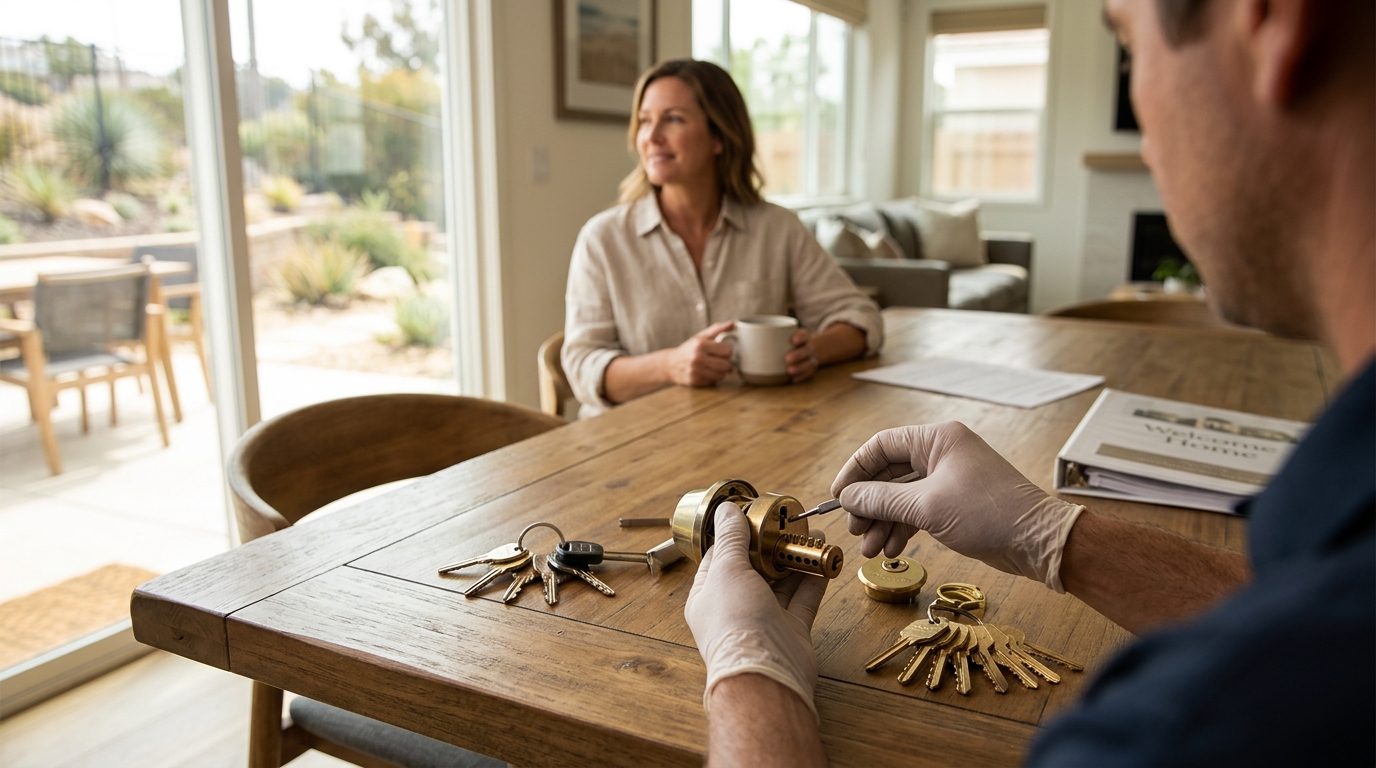
Step-by-Step Guide to Rekeying a Rental Property After Tenant Move-Out
Property security is the first line of defense for any landlord, yet it is often overlooked during the transition between tenants. According to data from the National Association of Realtors, maintaining robust security protocols is essential for protecting both the physical asset and the landlord's liability. Failing to update access controls after a move-out can expose your property to unauthorized entry, theft, and significant legal risks. This guide details the professional process of rekeying your rental locks to ensure absolute safety for your next occupant.
Why Rekeying is Non-Negotiable
When a tenant moves out, they retain the legal right to possess keys to your property until you formally change the access mechanism. Even if the tenant returns their keys, copies may have been made by contractors, cleaners, or the tenant themselves. Rekeying is the process of altering the internal pins of a lock cylinder so that old keys no longer work, while the existing hardware remains intact. This is distinct from replacing the entire lock, which involves removing the hardware and installing new deadbolts or knobs.
For landlords, this distinction is critical. Rekeying provides a fresh start for security without the high cost of full hardware replacement. It is a standard industry practice recommended by security experts to prevent past access from becoming a current vulnerability. According to reports from the Associated Locksmiths of America, professional rekeying is the most efficient method to secure a property during turnover.
Assessing Your Current Lock Hardware
Before initiating any work, you must conduct a thorough audit of the locks on your rental property. This includes front door deadbolts, interior door knobs, gate locks, and any auxiliary entry points. Identify the brand and model of each lock to ensure compatibility with standard rekeying kits or professional tools.
Check for signs of wear, rust, or damage. If a lock is physically compromised, rekeying will not solve the underlying issue, and replacement becomes necessary. For properties in coastal areas like Encinitas or Del Mar, salt air can accelerate corrosion, making regular hardware inspections vital. Contacting a local locksmith in Encinitas can help you determine which locks are salvageable and which require immediate replacement.
Professional Service vs. DIY Approaches
Landlords often debate whether to handle rekeying themselves or hire a professional. While DIY kits are available, they require specific tools and technical knowledge. A mistake during the pinning process can result in a lock that is difficult to operate or fails to secure properly.
| Factor | DIY Rekeying | Professional Service |
|---|---|---|
| Cost | Low ($10-$30 per lock) | Medium ($50-$100 per lock) |
| Time Investment | High (Learning curve) | Low (Same-day service) |
| Security Guarantee | Variable | Professional Warranty |
| Complexity | Standard locks only | High-security and smart locks |
For most landlords, especially those managing multiple units, professional service offers superior value. Companies like LT Lock and Key provide efficient, cost-effective solutions that ensure every lock is reset correctly. Visit our Lock Rekeying page to learn more about our specialized services.
The Step-by-Step Rekeying Workflow
Understanding the workflow helps you verify that the job is done correctly. Whether you are overseeing a professional or attempting a DIY approach, the core steps remain consistent.
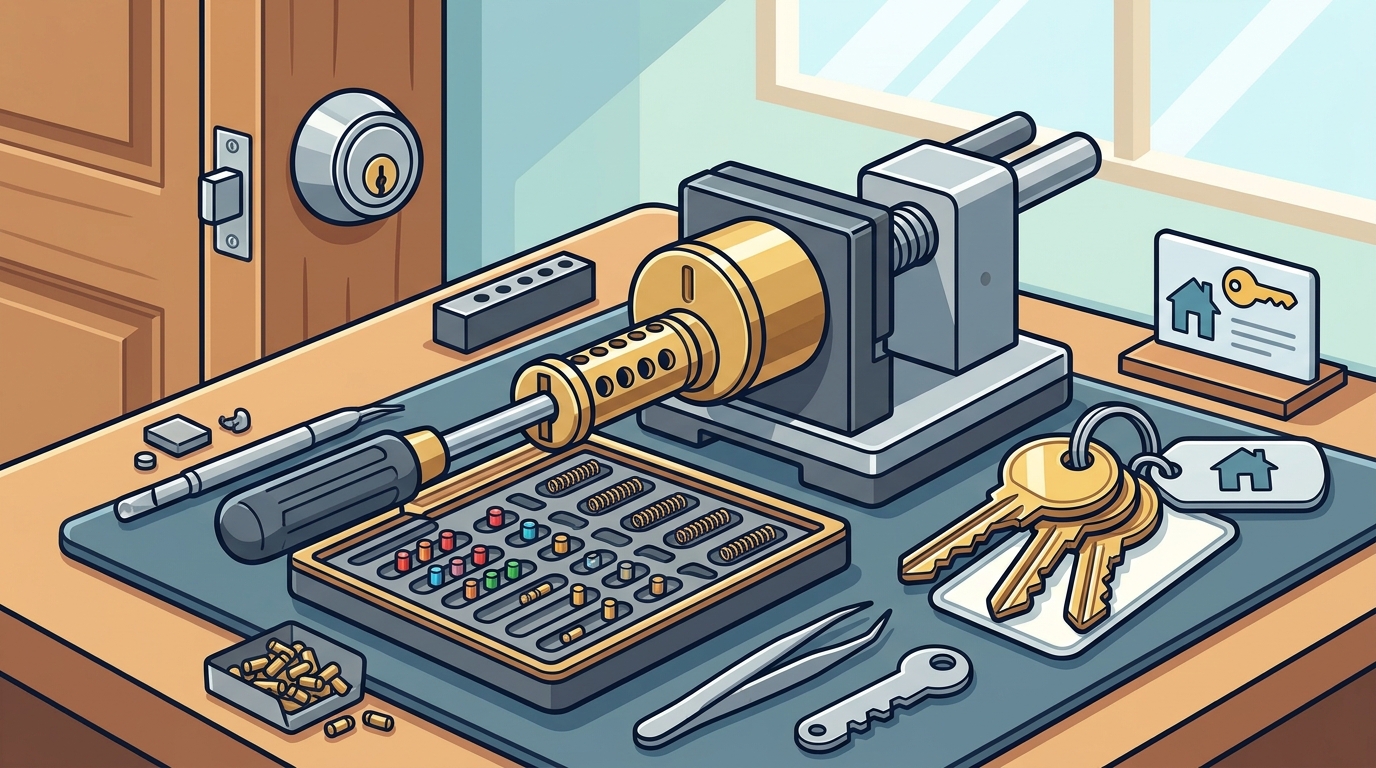
Step 1: Removal of the Lock Cylinder
For deadbolts, this involves removing the interior thumb turn and the exterior knob. For knob locks, you may need to remove the faceplate. Always keep track of small components like screws and springs to avoid losing them during the process.
Step 2: Disassembly and Pin Inspection
Once the cylinder is removed, it is disassembled to reveal the pin stacks. The current pins correspond to the old key. You must remove these pins and replace them with a new set that matches the new key code.
Step 3: Installation of New Pins
Using a pinning chart, insert the new pins into the cylinder. The height of each pin determines the key cut required. This step requires precision; pins must sit flush and move freely. If you are unsure about this step, contact us today for expert assistance.
Step 4: Reassembly and Testing
Reassemble the lock and insert the new key. Test the key multiple times to ensure smooth operation. Check that the bolt extends and retracts fully. Repeat this process for every lock in the property.
Cost Analysis and Budgeting
Budgeting for rekeying is straightforward but varies by region and lock type. In San Diego County, professional rekeying typically ranges from $50 to $100 per lock. This cost includes labor and the new key blanks. While DIY kits are cheaper, they do not include the labor savings of same-day service.
Consider the long-term value. A professional locksmith ensures that the locks are not damaged during the process. Damaged locks can lead to higher costs later. For a detailed quote, contact us to discuss your specific property needs.
Managing Key Distribution
After rekeying, you must establish a new key distribution protocol. Create a master key system if you manage multiple units to simplify maintenance access. Keep a spare set in a secure, off-site location. Distribute new keys to the incoming tenant and any authorized property managers.
Document the key codes in a secure digital or physical file. This allows for easy re-keying in the future without needing to replace the hardware. For properties in Carmel Valley or Carlsbad, our team can assist with setting up master key systems for complex layouts.
Frequently Asked Questions
How long does it take to rekey a rental property?
A professional locksmith can typically rekey an entire rental property in a few hours. DIY efforts may take significantly longer depending on your experience level.
Can I rekey my locks myself?
Yes, but it requires specific tools and knowledge. Mistakes can damage the lock, leading to costly replacements. Professional service is recommended for reliability.
What is the difference between rekeying and replacing locks?
Rekeying changes the internal pins to work with a new key, while replacing involves removing the old hardware and installing new locks entirely. Rekeying is more cost-effective for functional locks.
How often should I rekey my rental property?
You should rekey after every tenant move-out. Additionally, rekey if you lose keys or suspect unauthorized copies have been made.
Do smart locks need to be rekeyed?
Smart locks do not have traditional pins, so they are "reset" digitally rather than rekeyed. However, you must change the access codes and remove old user permissions.
Is rekeying secure?
Yes, rekeying restores the lock to a like-new security state. It is a standard and highly effective security measure.
What if my locks are damaged?
If locks are rusted or broken, rekeying is not an option. You must replace the hardware. Lock repair and installation services are available for damaged units.
Secure Your Property Today
Do not leave your rental property vulnerable during the turnover period. Professional rekeying is a quick, affordable, and essential step in protecting your investment. LT Lock and Key has served the Encinitas, Carlsbad, Del Mar, and Carmel Valley communities for over 25 years. We provide prompt, efficient, and convenient locksmith services tailored to landlords.
Call (858) 699-0366 now to schedule your rekeying service. Trust the experts who understand the unique security needs of San Diego County rental properties. Contact us today to get a free quote and secure your peace of mind.